


Why businesses should treat media opportunities as a strategic priority
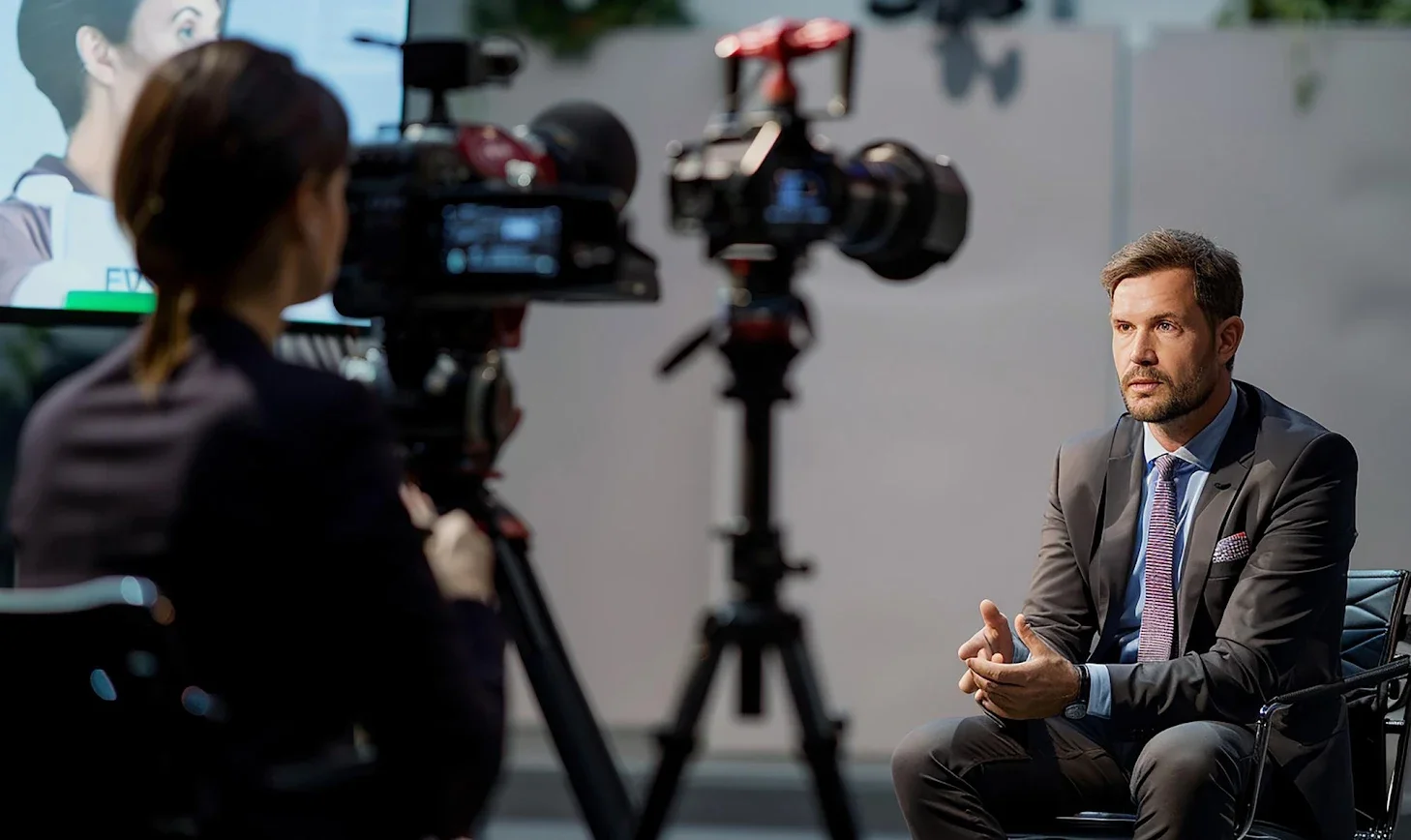

Spokesperson profiling and visibility is an important part of communications. However, it is natural that business leaders are overwhelmed managing competing demands, day to day operational responsibilities, client meetings, sales targets and delivery deadlines. Making time for media opportunities such as an interview or expert comment can be challenging. While not every opportunity will be the right fit or come at the right time, taking a moment to consider its potential value can help leaders make the most of relevant opportunities.
Media opportunities deserve careful consideration before being postponed or declined. A relevant interview, expert contribution or industry feature can deliver lasting value, and the opportunity to participate may not come again.
Recognise the value beyond the immediate deadline
Media coverage gives businesses access to audiences beyond their existing networks. It allows potential clients, and industry stakeholders to discover the company through publications they already read and trust.
This visibility is particularly valuable in competitive B2B markets, where expertise and credibility influence business decisions. An interview or expert comment gives spokespeople an opportunity to demonstrate their knowledge and contribute to discussions that matter to their industry. A 2026 study of 2,000 business decision-makers across seven countries found that 86% considered executive communications more credible when they came from someone with relevant subject-matter expertise. This reinforces the importance of giving business leaders and specialists opportunities to share their knowledge online.
Businesses do not need to wait for a milestone or product launch to make that contribution. A cybersecurity company, for example, can explain emerging threats or advise businesses on responding to a significant data breach. Such participation helps establish its experts as relevant industry voices, complementing coverage of its own announcements.
Understand why timing matters
Media opportunities follow editorial schedules. A journalist covering a market development, regulatory change or emerging trend needs informed perspectives while the subject is timely. If a spokesperson cannot respond within that window, the journalist may need to approach another source.
Requesting more time is sometimes possible, but an extension cannot always be secured. Equally, declining an interview does not mean the same publication, topic or format will be available later. Each opportunity depends on the journalist’s interest, editorial priorities and the relevance of the story at that moment.
Before passing on a request, leadership and communications teams should therefore consider its potential value alongside the time required to participate. A short contribution today may secure visibility that would be difficult to recreate through a future announcement.
Consider the lasting impact of a single media appearance
The value of coverage can continue long after publication. Articles and interviews can remain discoverable online, helping people researching a company, its leadership or a particular industry topic find its expertise.
Coverage can also support business development when shared with prospective clients, included in company credentials or referenced in presentations. It provides an external reference that helps substantiate what a business says about itself. 74% of the UAE population explicitly trusts the media which highlights the value of appearing in credible publications, where independent coverage can help strengthen a company’s reputation.
Relevant published contributions may also attract the attention of journalists looking for sources for future stories. One well-placed media appearance can therefore support brand awareness, strengthen a spokesperson’s profile and open the door to further opportunities.
Make participation easier for spokespeople
Recognising this value requires coordination between leadership, in-house communications teams and PR partners. Identifying spokespeople in advance, agreeing on their areas of expertise and keeping approvals straightforward can make it easier to respond when opportunities arise.
If an expert feels unprepared, the communications team can help with focused media training and key messages. Where appropriate, a written response or another qualified spokesperson may offer a practical way to participate.
The aim is to assess relevant opportunities promptly and give spokespeople the support they need to contribute confidently. Treating media engagement as a strategic priority helps ensure valuable requests receive the attention they deserve alongside day-to-day business demands.
At Sherpa Communications, we help businesses identify relevant media opportunities, prepare their spokespeople and turn their expertise into meaningful, lasting visibility.
Contact us to book a free assessment and explore how media engagement can support your business goals.

